 Chelsea AI Ventures
 LLM & Agent Engineering
Retrieval, evaluation, agents and open models in production.
-

August 2026
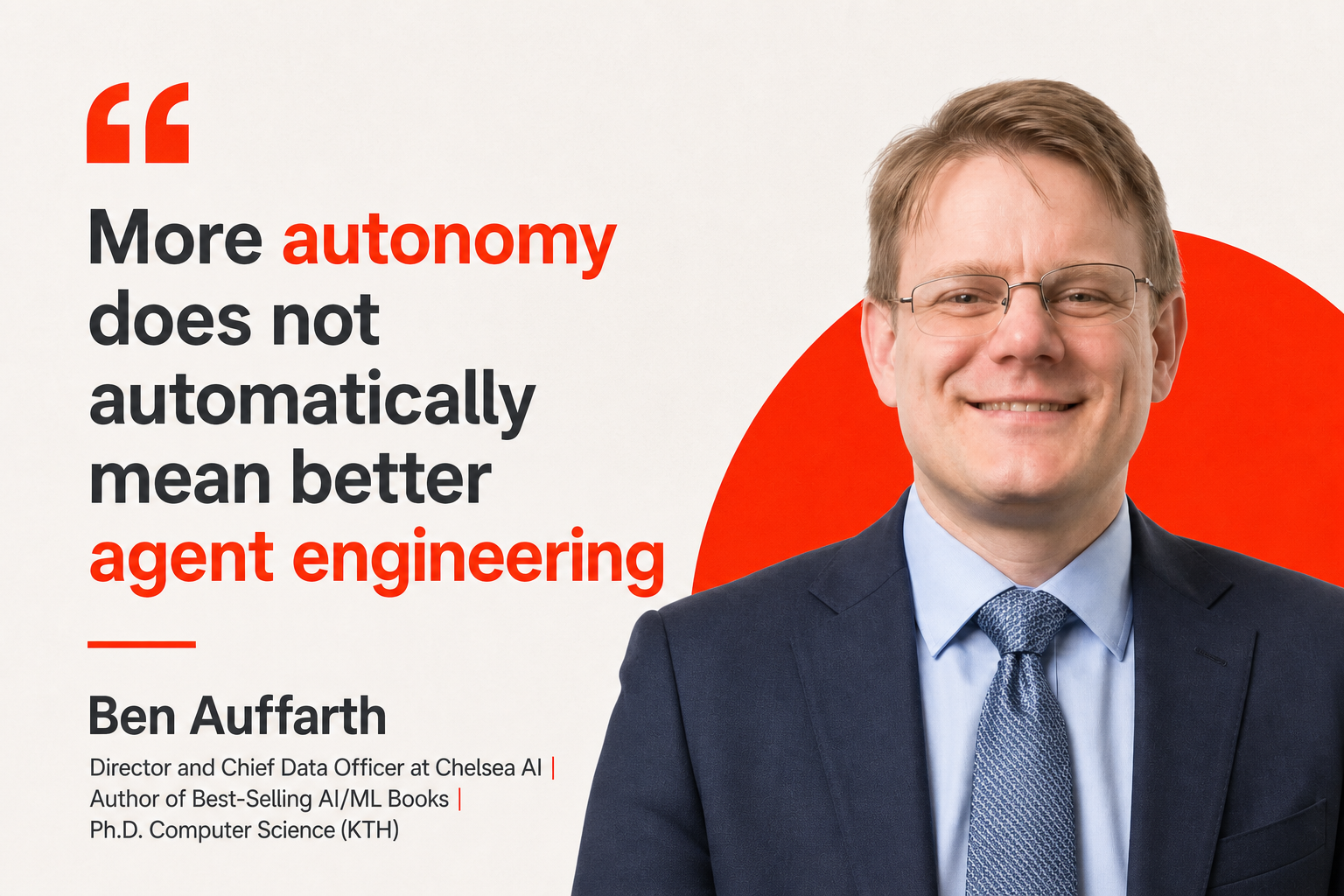
Workshop preview: The GenAI Build Lab, architecting RAG systems
A LinkedIn Live ahead of the GenAI Build Lab workshop. RAG demos can look impressive, and the real challenge begins when you try to make them work reliably beyond the demo.
Read on LinkedIn → -
August 2026
Episode 3: The agent autonomy trap
A 45-minute podcast with Tanya D'cruz of Agent Engineering on bounded autonomy, calibrated confidence and meaningful human oversight, and why the dataset is the thing to fund before the agent.
Read on Agent Engineering → -
June 2026
Agentic Engineering #1: What Happens When OpenClaw Meets LangGraph?
Typical agents (like those built on OpenAI Assistants, Copilot Studio, or custom developer frameworks) are often confined to isolated chat dashboards, command-line interfaces, or custom web portals.
Read on Substack → -
April 2026
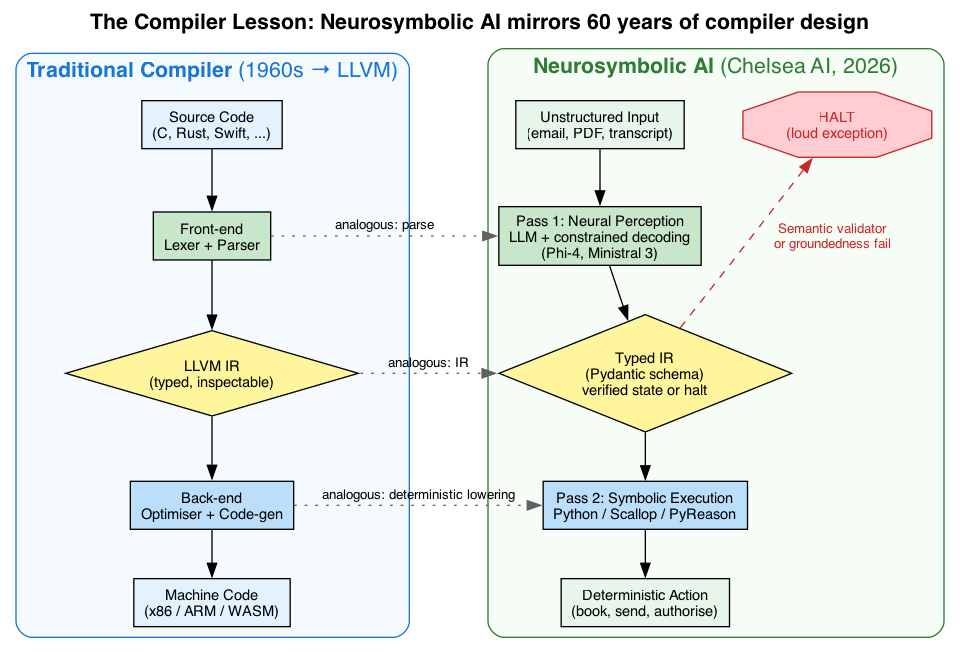
Neurosymbolic Design: The Compiler Lesson for AI Systems
In the early 1960s, compiler engineers at IBM faced a combinatorial nightmare. They had a handful of programming languages on one side (FORTRAN, COBOL, ALGOL) and a growing zoo of target machines on the other (System/360 variants, CDC mainframes, later the PDP series). Writing a direct translator for every pair gave them an N×M problem. Thirty languages…
Read on Substack → -
February 2026
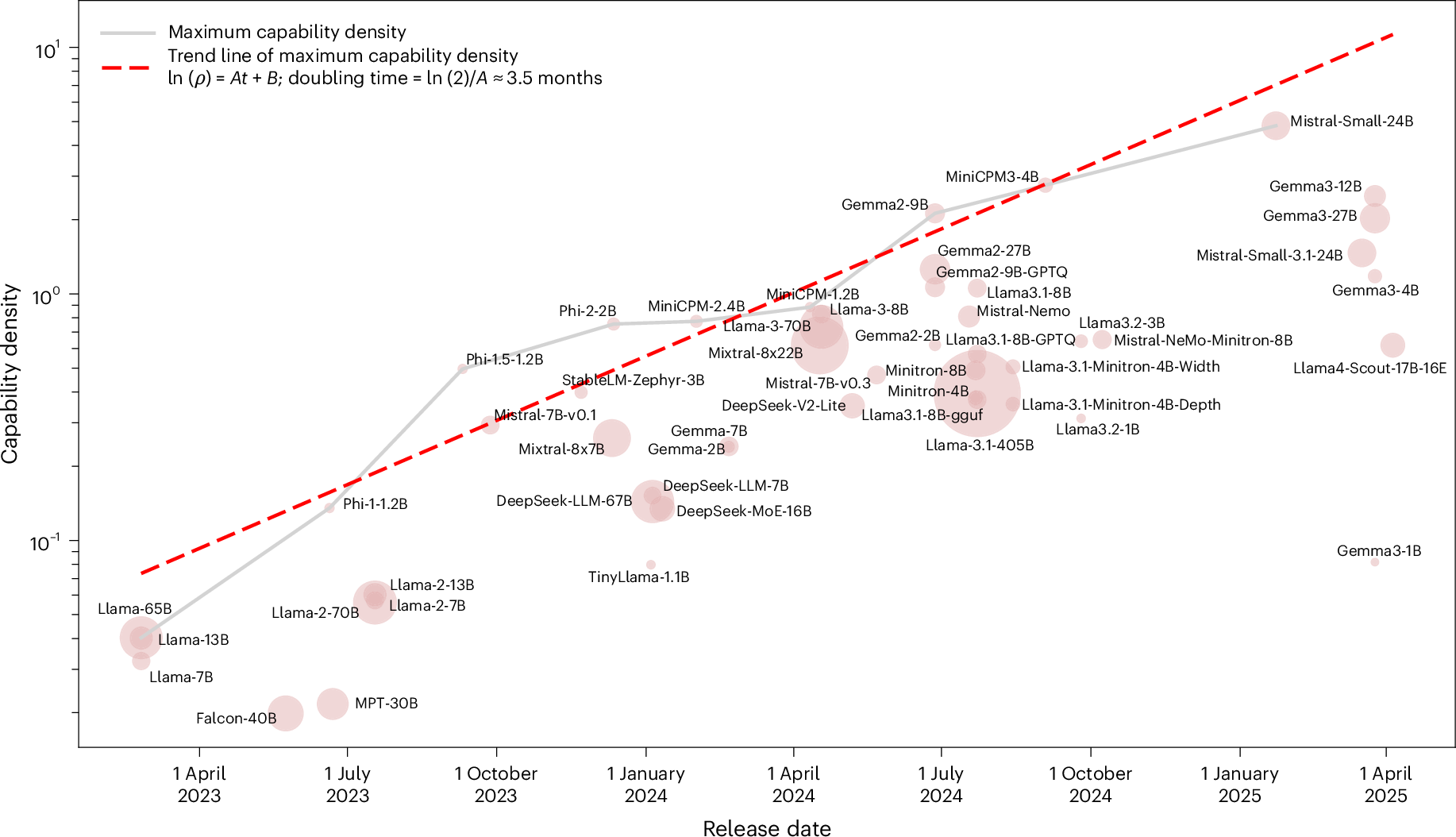
Capability Densing in LLM Systems
There is an important paper, which is about smaller language models. It has a few implications that are also quite important. It’s about the increase in capability per parameter in large language models over time, called Densing. Densing makes smaller models more competitive and CPU deployment more realistic even for tasks that depend on generative capa…
Read on Substack → -
January 2026
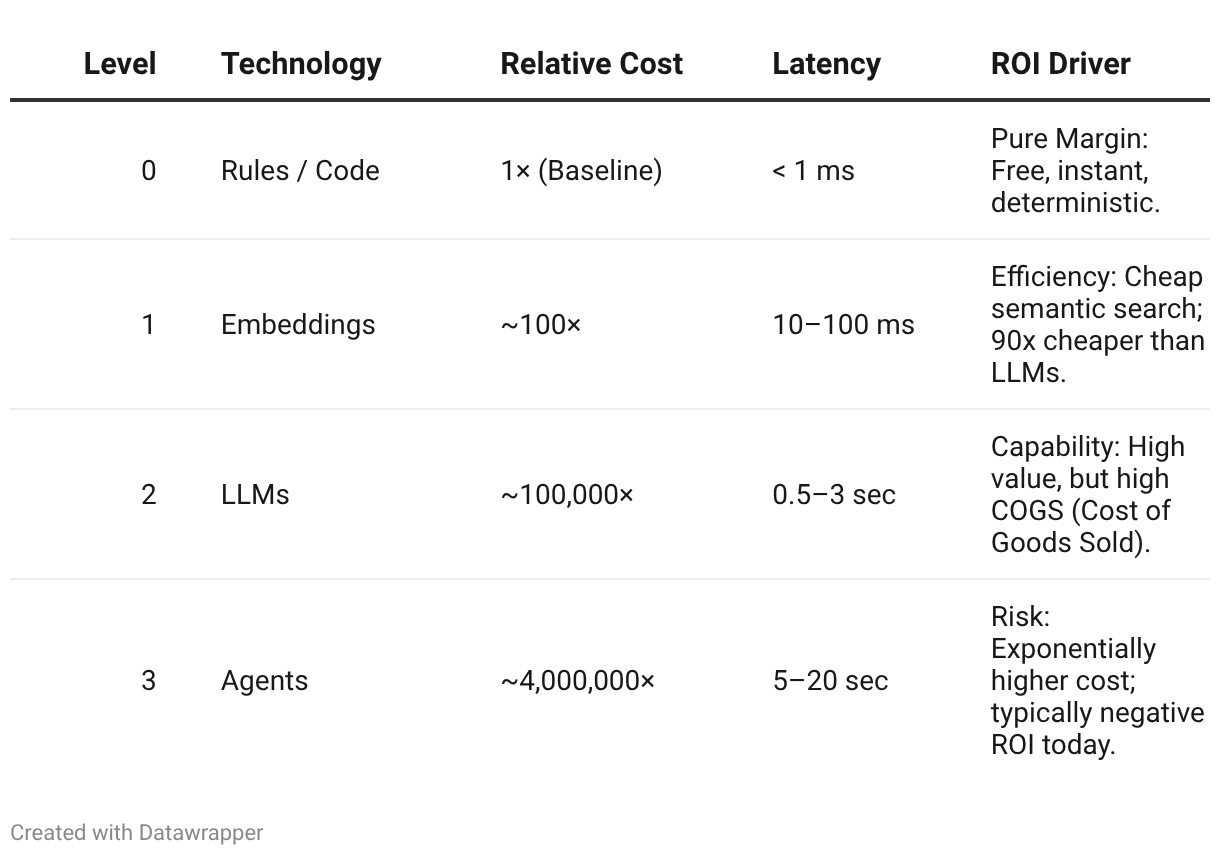
The Economic Case Against Autonomous Agentic AI
The promise of agentic AI is seductive. It suggests a move from simple text generation to autonomous research and long-horizon problem-solving, which involves a lot of decisions. We expect a digital worker that plans, executes, and corrects its own work. For businesses, automating tasks that are laborious and repetitive can help save on labour costs an…
Read on Substack → -

December 2025
Agents and AI in 2026
It’s the end of 2025 and time for an end of year summary and some predictions.
Read on Substack → -
December 2025
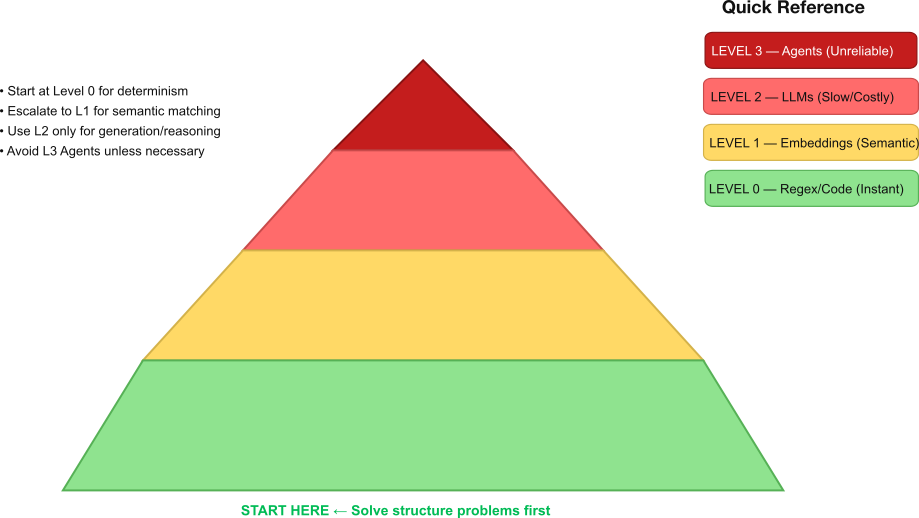
Evaluation-Driven Development
I frequently speak with teams at large companies where the mandate comes from the top. The boss tried ChatGPT, found it intuitive, and now expects an autonomous agent that solves complex workflows. The technical team has been trying it for months, the reliability is poor - even if the accuracy is acceptable (which is rarely seems to be), it fails specta…
Read on Substack → -
December 2025
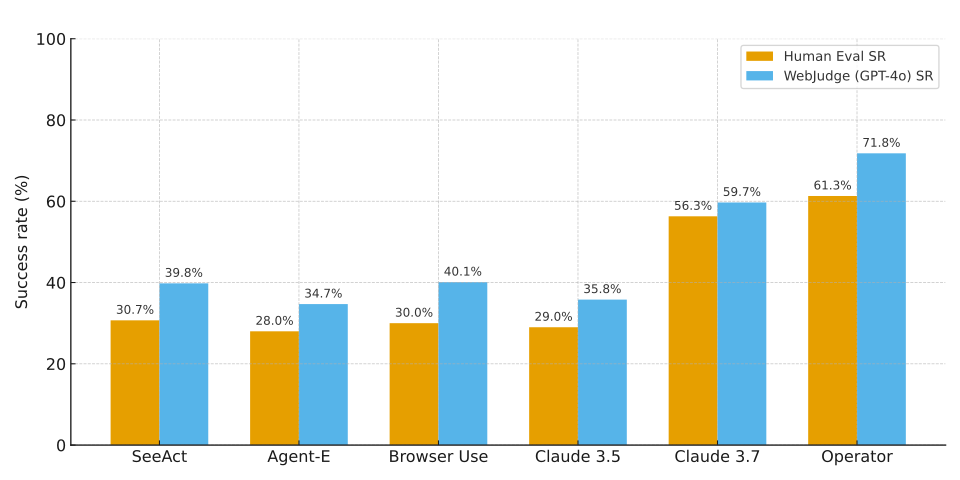
Fully Agentic AI Is Not Viable Today
The evidence is overwhelming across domains. As a model takes more steps, its reliability falls. As we grant it more autonomy, it fails more often. Agent demos may look intelligent, but real evaluations paint a harsher picture.
Read on Substack → -
November 2025
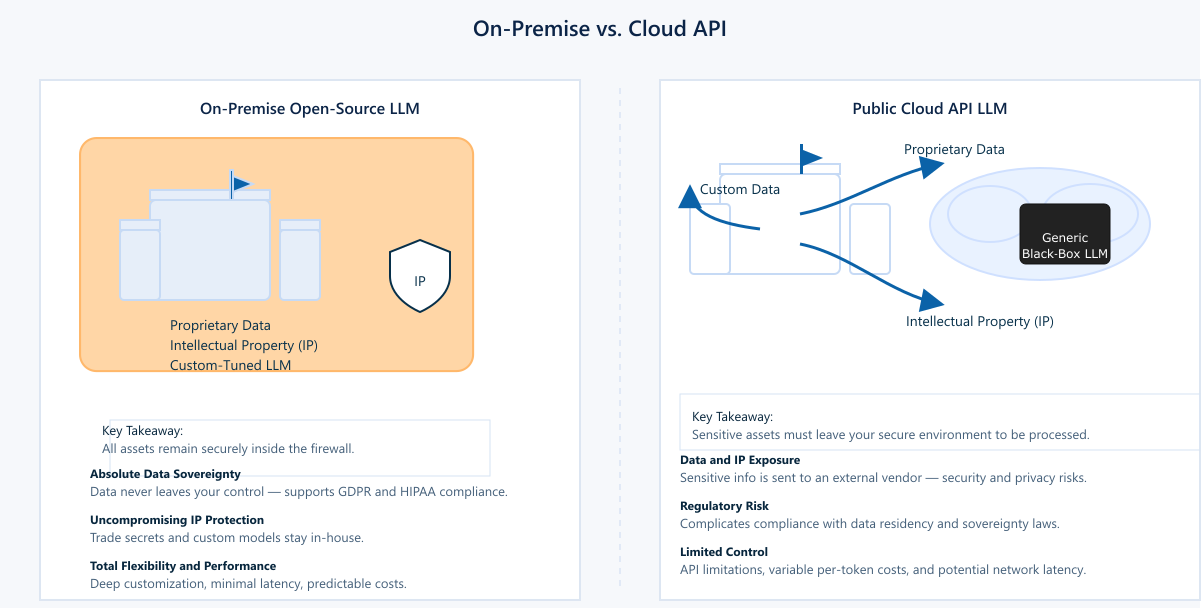
Why Open-Source LLMs are the Future of Enterprise AI
ChatGPT has been a turning point in technological innovation. Even though other commercial providers have been catching up and overtaken OpenAI in a few areas, it was when ChatGPT entered the scene was when people took notice of the potential of AI. While the initial phase of AI adoption was characterized by renting generic capabilities from a handful o…
Read on Substack → -

-

April 2025
Beyond Basic RAG
Retrieval-Augmented Generation (RAG) has evolved dramatically since its introduction in 2020. While simple implementations can deliver impressive results, today's most challenging use cases demand more sophisticated approaches. In this article, I'll show you how to leverage LangGraph—a powerful extension to the LangChain ecosystem—to build advanced RAG …
Read on Substack → -
February 2024
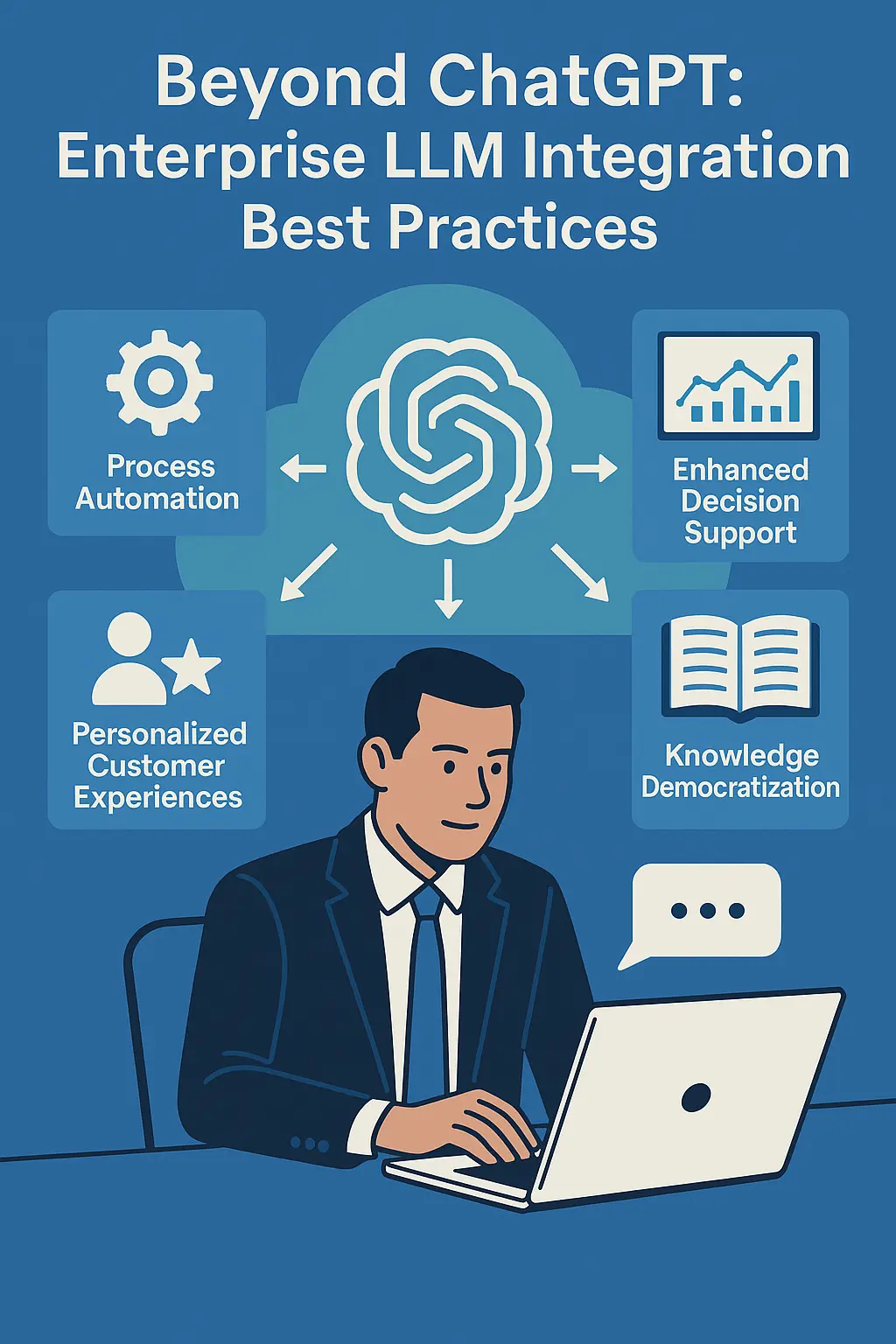
Beyond ChatGPT: Enterprise LLM Integration Best Practices
Practical strategies for moving beyond simple ChatGPT usage to sophisticated enterprise LLM applications. Learn how to address common challenges like context management, security, and evaluating outputs at scale.
Read on Medium → -
January 2024
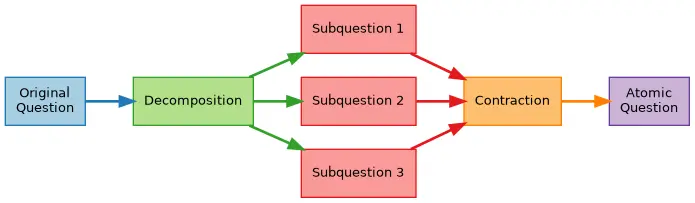
Unlocking Deeper Reasoning in LLMs: Introducing Atom of Thought (AoT)
Large Language Models (LLMs) have made impressive strides in understanding and generating text. Yet, when it comes to tackling complex, multi-step problems, traditional prompting methods like Chain-of-Thought (CoT) can fall short.
Read on Medium →
What we do in this area
The services behind the thinking above.